Hi Shug, here thanks to Stephen's prompt

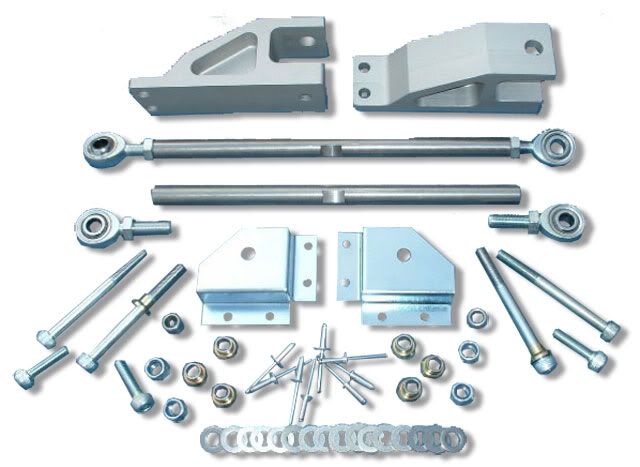
Just go for the kit, (or make one)
I will be making these components, but for track use and too expensive for what you need. anyway it is months off.
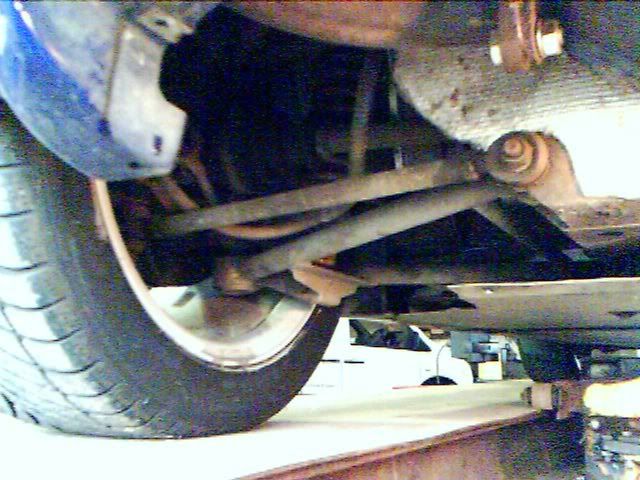
If you do arrange to make your own, the inboard bracket can be made in 2mm stainless with a stainless washer fully TIG'd onto the outside for full support. You can also close the top gap this will strengthen the bracket and also stop some crap being sprayed in from the wheels.
Use a 12.9 plated cap bolt, this will stop any flexing.
I would be inclined not to fit a cross brace on a road car.
The entire vehicle is designed to fail progressively on impact, suspension first, and then subframe, etc.
This helps protects you from fatal shock and also allows damage to be compartmentalised and hence repairable.
For road use this could mean a misjudged corner and hard kerb impact that would normally result in needing a new toe-link, wheel, wishbone, etc now becomes a distorted sub-frame.
You have to remember you cannot lose energy, only arrange to transfer it where you want it or convert it. If you substantially increase the rigidity of the suspension you just transfer the energy somewhere else.
The worse result of this was when the F1 designers didn't really look at side impacts too closely as they were not considered likely in a race environment. thus the energy from a relatively low energy side impact was sadly transferred to Aryton Senna's neck.
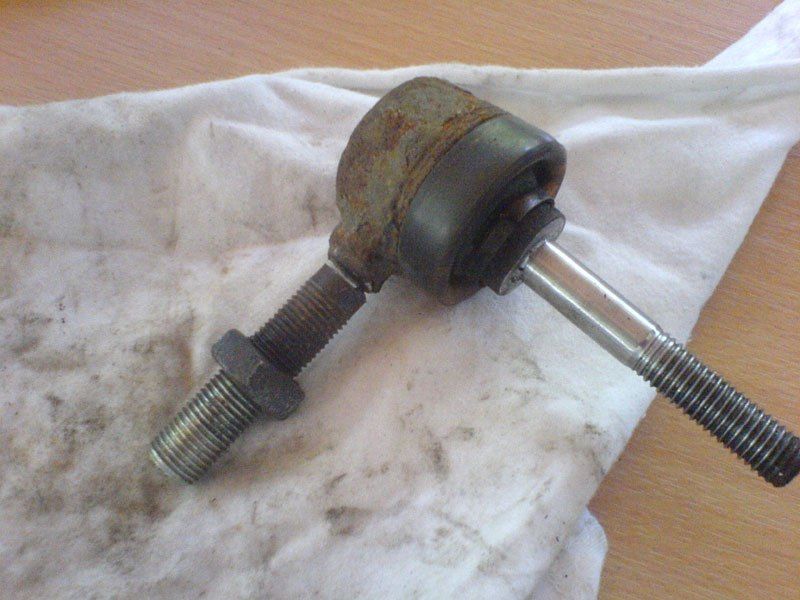
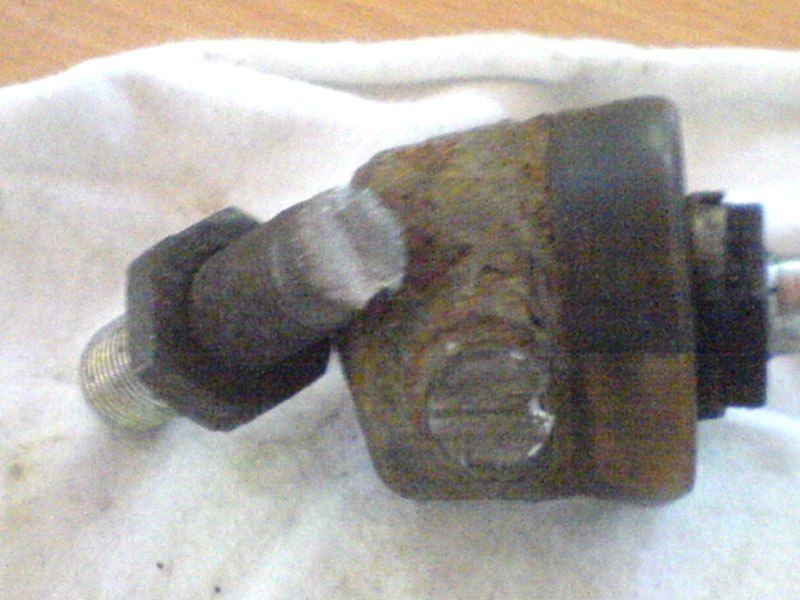
OK, sometimes the designer f_cks up and a component's failure point ends up too low and/or out of sync with the other supporting components, i.e. Elise rear toe- link
For a track car though it's ideal, might as well put one across the top as well on the roll over bar support arms just behind the engine and triangulate the rear completely.
Glad to hear you were not injured Shug; luckily the rear has an awful lot of castor.





 )
)

 :
:

